
Key Strategy: International Healthcare Week 2026: Ambisi Thailand Jadi Pusat Medis Dunia
ey Strategy: Thailand's Ambition to Become a Global Healthcare Hub Key Strategy - Thailand's government has unveiled a key strategy to elevate its healthcare
Key Strategy: Thailand’s Ambition to Become a Global Healthcare Hub
Key Strategy – Thailand’s government has unveiled a key strategy to elevate its healthcare sector as a cornerstone of economic growth. This initiative aligns with the country’s broader vision to position itself as a premier global medical destination. By investing in innovation, infrastructure, and international partnerships, Thailand aims to solidify its reputation as a hub for world-class healthcare services. The focus keyword, *Key Strategy*, underscores the deliberate efforts to transform the nation’s medical landscape, ensuring it meets the demands of an increasingly interconnected world.
Strengthening Healthcare Infrastructure and Innovation
As part of the key strategy, Thailand has prioritized the expansion of its healthcare infrastructure, including the establishment of advanced medical facilities and research centers. The government has also allocated significant resources to foster medical innovation, encouraging startups and established firms to develop cutting-edge technologies. This approach is supported by data from the US Department of Commerce, which highlights Thailand as a top destination for medical tourism. With over 64 facilities accredited by the Joint Commission International (JCI) by mid-2025, the nation’s commitment to quality and safety is evident. The key strategy not only enhances domestic capabilities but also aligns with international standards to attract global patients and investors.
Additionally, the key strategy emphasizes collaboration between public and private sectors to streamline healthcare delivery and reduce costs. Thailand’s healthcare system is now leveraging digital tools, telemedicine, and AI-driven diagnostics to improve efficiency. These advancements are crucial for maintaining competitiveness in the global market, especially as demand for affordable, high-quality medical services continues to rise. The integration of technology into the healthcare sector is a strategic move to address challenges such as aging populations and chronic diseases, while also creating new opportunities for economic development.
Global Partnerships and Industry Collaboration
Thailand’s key strategy relies heavily on international partnerships to amplify its reach and influence in the global healthcare arena. The upcoming International Healthcare Week (IHW) 2026 in Bangkok is a testament to this, serving as a platform to connect stakeholders from across the medical supply chain. As noted in the opening remarks of IHW 2026, the event will bring together experts, policymakers, and industry leaders to discuss shared goals and collaborative opportunities. “Dan meningkatkan nilai ekonomi dalam ekonomi kesehatan keseluruhan,” said a representative during the opening ceremony, emphasizing the importance of synergy between nations. The key strategy ensures that Thailand’s healthcare initiatives are not isolated but part of a larger, interconnected effort to drive global health advancements.
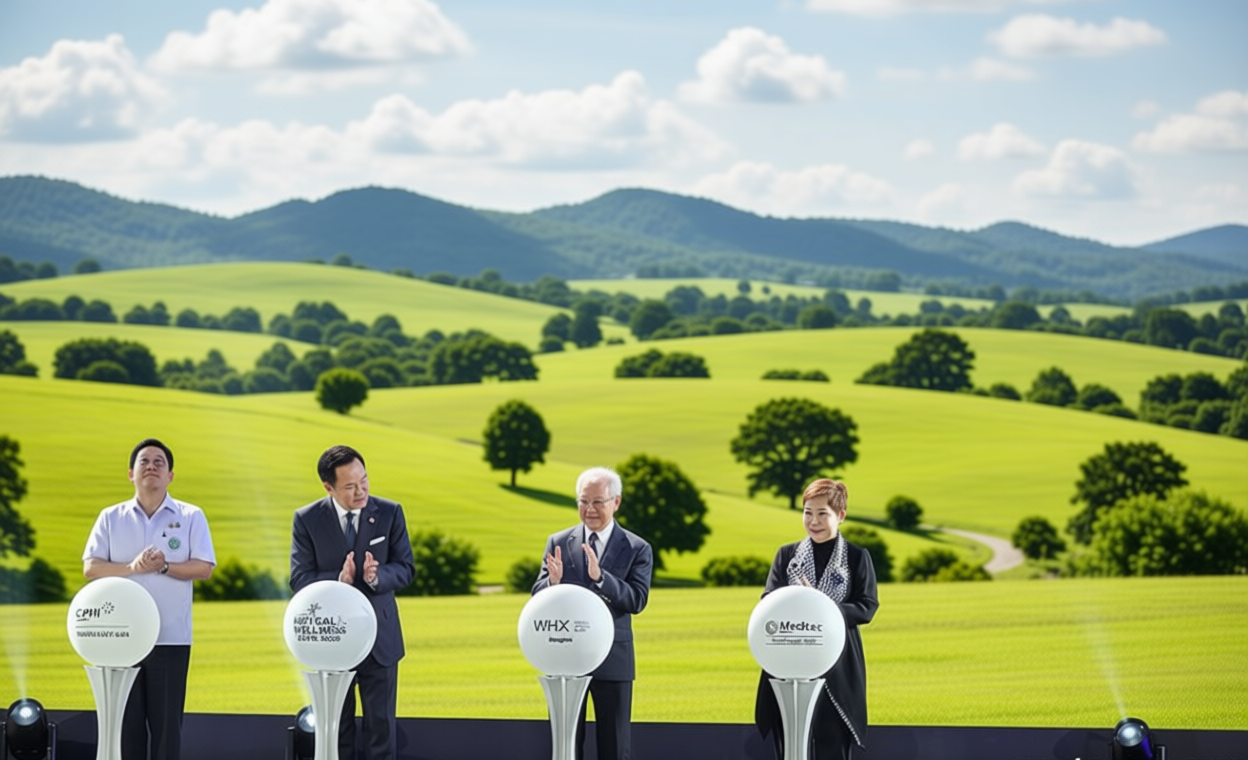
Through the key strategy, Thailand has forged partnerships with countries like the United States, the United Kingdom, and China, fostering exchange programs and joint research projects. These collaborations are vital for adopting best practices and integrating diverse expertise. The event’s inclusion of four major exhibitions—CPHI South East Asia, World Health Expo (WHX) Bangkok, Medtec Southeast Asia, and Thailand Medical & Wellness Expo 2026—demonstrates the government’s dedication to creating a comprehensive ecosystem. By uniting these sectors under one roof, Thailand aims to strengthen its position as a regional leader and attract foreign investments, further cementing its role in the global healthcare network.
Professional Development and Education
Education and professional development are integral to the key strategy, ensuring that Thailand’s healthcare workforce remains competitive. The IHW 2026 will feature over 200 seminar sessions, many of which offer Continuing Medical Education (CME) credits. These programs are designed to equip medical professionals with the latest knowledge and skills, aligning them with global trends and standards. As stated by Manu Leopairote, Chairman of Informa Markets (Thailand), the event’s emphasis on innovation and education will directly contribute to the nation’s healthcare goals. “Selain menampilkan inovasi terkini di keempat pameran ini, kami juga menekankan pengembangan pengetahuan profesional melalui lebih dari 200 sesi seminar khusus,” he added, highlighting the key strategy’s dual focus on practical and educational outcomes.
The key strategy also includes initiatives to train healthcare workers and improve patient care standards. Thailand has invested in partnerships with international universities and training institutions to enhance medical education programs. These efforts are expected to create a pipeline of skilled professionals capable of meeting the needs of both domestic and international patients. Moreover, the integration of CME programs into the event’s agenda ensures that medical practitioners stay updated on emerging treatments and technologies, reinforcing Thailand’s reputation as a center for excellence in healthcare. This focus on continuous learning is a strategic pillar in achieving long-term sustainability and global recognition.
Expected Outcomes and Economic Impact
The key strategy’s implementation is projected to yield substantial economic benefits. Thailand’s healthcare industry is anticipated to generate billions of dollars in revenue annually, driven by medical tourism and export-oriented pharmaceuticals. According to industry reports, the sector already contributes significantly to the nation’s GDP, with the market value of medical services reaching US$2.57 billion in 2023. The key strategy aims to multiply this impact by attracting more patients from the Middle East, China, South Korea, and other regions. By 2026, Thailand hopes to solidify its status as a leading healthcare hub, leveraging the IHW as a catalyst for growth and innovation.
Furthermore, the key strategy is expected to create thousands of jobs in both urban and rural areas, addressing unemployment and boosting local economies. The event’s focus on sustainability and green healthcare practices also aligns with Thailand’s environmental goals, ensuring that the sector grows in a responsible manner. As the world grapples with health crises and aging populations, Thailand’s proactive approach under the key strategy positions it to lead in providing affordable, high-quality medical solutions. This vision not only benefits the country’s economy but also enhances its soft power and international standing in the healthcare sector.